What did it feel like to shift from writing non-fiction to prose? I wrote factual books for about fifteen years before I began working on the Hildur crime novels. The leap into a completely different kind of writing was difficult. At first, it felt like I was feeling my way in the dark.
Choosing the subject, deciding on the point of view, selecting the narrator, doing background research and shaping the structure of the story are all part of any kind of writing. After five crime novels, I’ve realized that the main difference between non-fiction and fiction is: when writing non-fiction, you always have a subject – something to write about. In fiction, you first have to invent that something.
Invisible mass that keeps both the iceberg and the text afloat
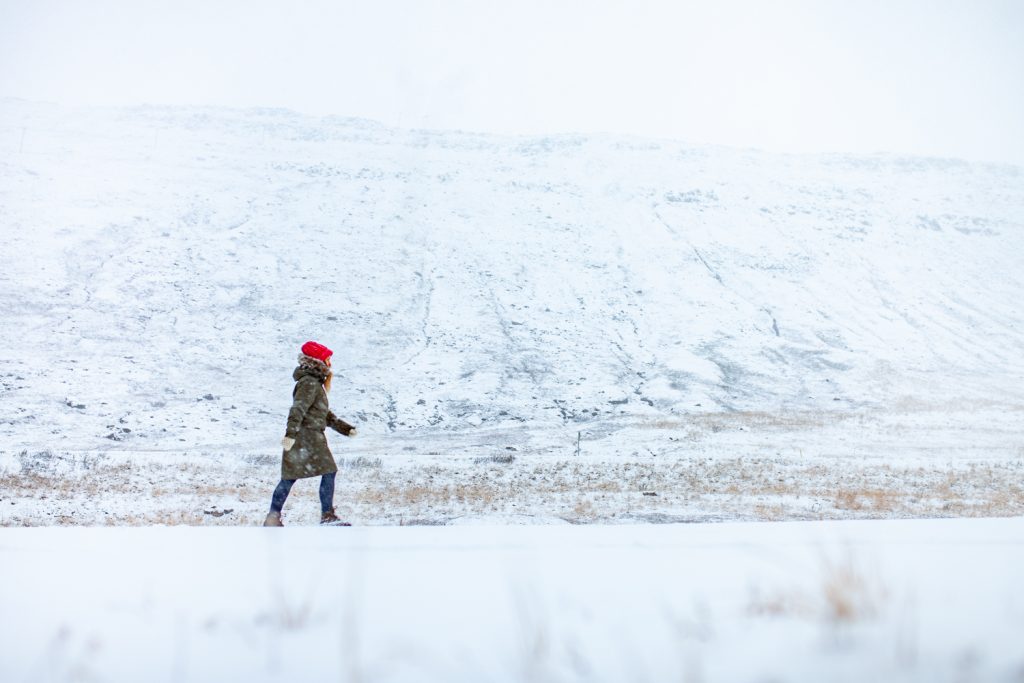
I like to compare the reality of a finished text and the reality required for a text to exist to an iceberg. What we usually imagine when we think of an iceberg is only the part rising above the surface of the sea – the kind the Titanic hit. That visible part is the finished text. A finished text – nor an iceberg – cannot stay afloat without a mass of ice and text tens of times larger beneath the surface.
So, what is this invisible mass of text beneath the surface? For me, it is made up of memories and imagination. I never put it down on paper. The mass includes, for example, the personal histories I have built for the Hildur characters, conversations with other people, details that have stuck in my mind from source literature, and stories I have heard or read ten years ago – or just last week.
In the Hildur novels, folktales are part of this invisible mass as well. I spent almost a decade working in Iceland as a tour guide, and through that work I came to know the Icelandic landscape in detail and through stories. As a guide, you quickly learn when people lose their interest and heads start to nod at the back of the bus. Local stories leave a stronger impression than dates, or the names and birth years of political leaders. I have also encountered folktales in an academic context: my undergraduate studies in Icelandic language and literature included reading and analyzing Icelandic folktales.
The significance of folktales in a character-driven crime novel
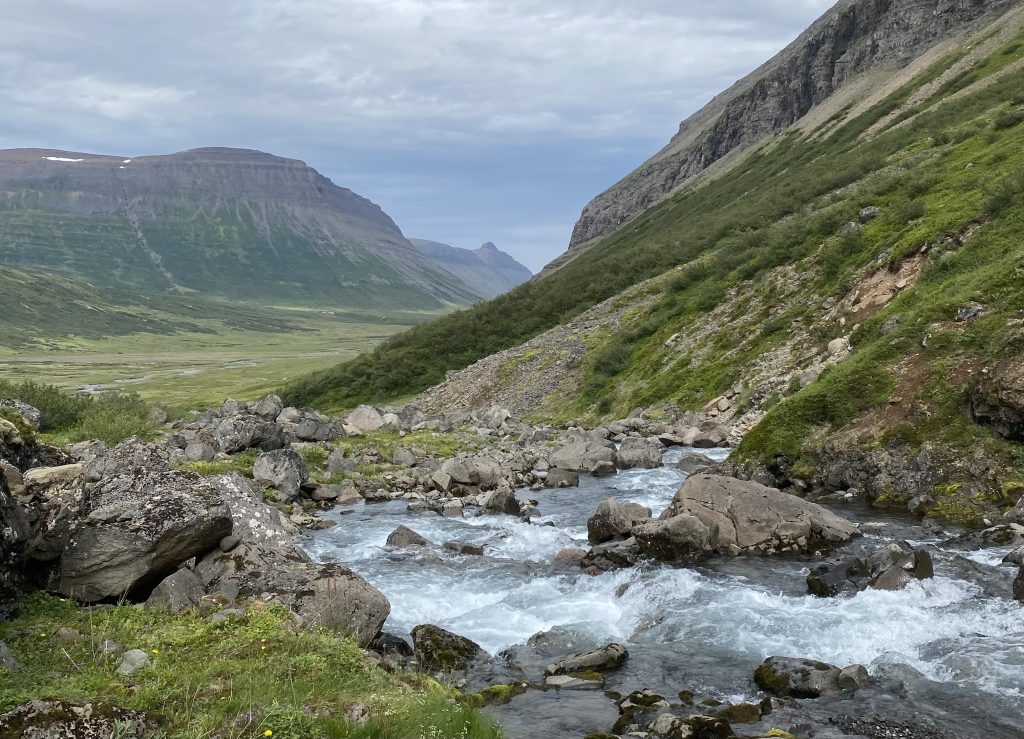
In Iceland, the history of both the nation and the state is tied to folktales rooted in the landscape. Every rural church, fjord, large lava boulder, or small pond on the highlands comes with a folktale of its own. A strange shape on a hillside may be explained by saying that a hidden-folk family of seven keeps its church there. A large stone pillar that looks like a thick-headed person is explained through a story about a troll who fled his home mountain, was caught by the sunlight, and turned to stone. A sudden chill in the air may mean that the ghost of a woman who died in a nearby farmhouse in the nineteenth century is out wandering.
Crime novels can be classified in many ways. One common distinction is between plot-driven and character-driven crime fiction. Naturally, a good crime novel needs both – a plot that surprises and characters who hold your attention – but usually one plays a bigger role than the other. I have always thought of Hildur novels as character-driven crime fiction. Even the original titles of the books come from their central character.
Folktales are exactly what the word suggests: the tales of the folk. When I write a crime novel, I spend a great deal of time on my characters – the folk. Since most of my characters are Icelandic, it feels natural that Icelandic folktales appear in their backstories as well.
These folktales appear in the narrative through small details, such as names. Hildur is one of the Valkyries, the warriors of Ódin in Norse mythology. Her task on the battlefield was to decide which warriors would live and which would die. Some were taken to Valhalla for Ódin’s final feast, others were not. In pre-Christian Norse belief, Hildur held an important role as a Valkyrie of battle, a guardian of life and death. I can hardly imagine a better name for a stubborn criminal investigator.
Lost in the tunnel – or taken by the walls?
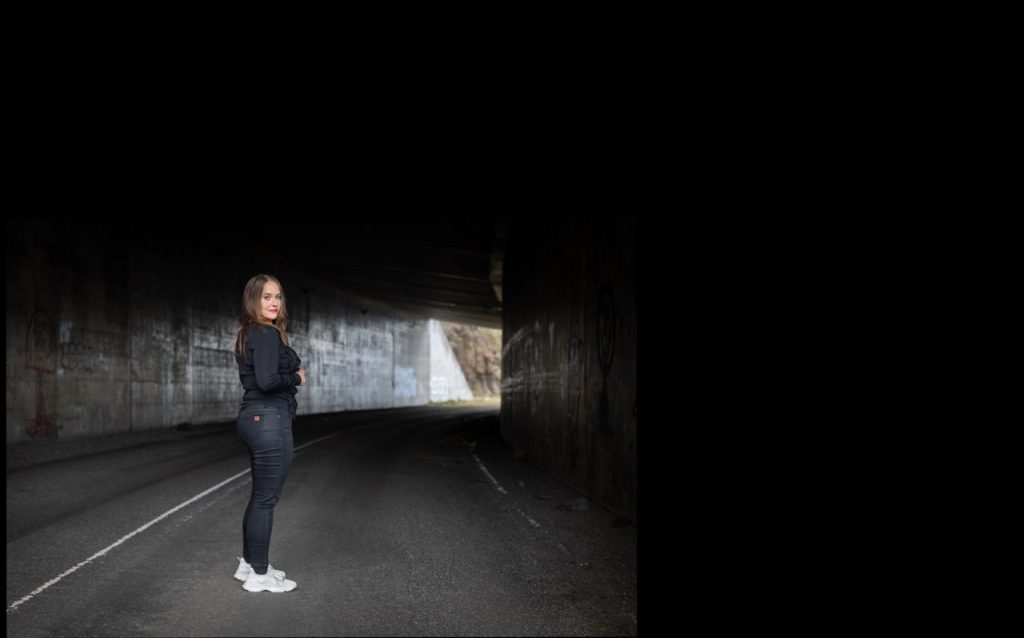
Folktales sometimes echo as an undercurrent in the plot. The Hildur series begins when Hildur’s younger sisters, two small girls, walk into a dark tunnel on their way home from school and disappear. The tunnel, built in the early 1990s and carved straight through a mountain in the Westfjords, is real. It links two villages and has made travel in the region safer.
But the tunnel also has another story – one I do not tell in the crime novel, yet one that lives in the invisible mass holding the Hildur narratives together. It is tied to the ghost stories known as “taken by the wall,” of which there are countless versions in Iceland. I have heard dozens myself.
In the past, people in Iceland lived in turf houses. These thick-walled dwellings, built from blocks of turf, were dark inside. The buildings were cramped and had no windows. Turf houses were built starting from the central passage, and rooms were added along it as the household expanded. Every room was reached through that narrow, low, and dark passage.
At the time, people were born and died at home. According to old beliefs, the spirits of the dead would settle into the wall of the central passage, from where they could watch over the lives of their loved ones. If a person had died under unclear circumstances, or had unresolved matters with the living, their spirit might stay behind, haunting the household and pulling the living from the passage into the wall. Those taken alive into the wall became known as the “taken by the wall”.
You don’t need to be familiar with the “taken by the wall” ghost stories to understand the Hildur novels, but for those who are, the moment when two girls walk into a dark tunnel on their way home carries layers of meaning beyond the idea of simply getting lost.
Intertextuality – the conversation between texts – adds depth to a story and makes the act of writing a far more thrilling journey for the writer.

Thank you for reading. If you want to know more about crime writing and HILDUR’s world, you’ll find more posts on Substack!